


I wanted to put together a growing list of overlock and cover stitch settings that have been working great for the fabrics I’ve been serging with my new Babylock machine.
I mainly put this together for myself for future reference, but I thought, why not share it? Maybe it’ll come in handy for someone else too.

Kei
It’s always a good idea to use some scrap fabric to test and fine-tune the settings until you’re happy with how the stitches look.
Overlock settings
Polar fleece
- Length (L) 2.5
- Width (W) 6.5
- Differential feed (N) 1.3
- Turn the tension dial to Max + to get the looper stitches close to edge of fabric.

Sherpa boucle
- Length (L) 3
- Width (W) 6.5
- Differential feed (N) 1.3
- It doesn’t like feeding sherpa with fluffy side down. Serge one piece at a time with sherpa side up, then use a lock stitch sewing machine to join pieces. (Can serge two pieces with sherpa side inside with a bit of initial tugging.)
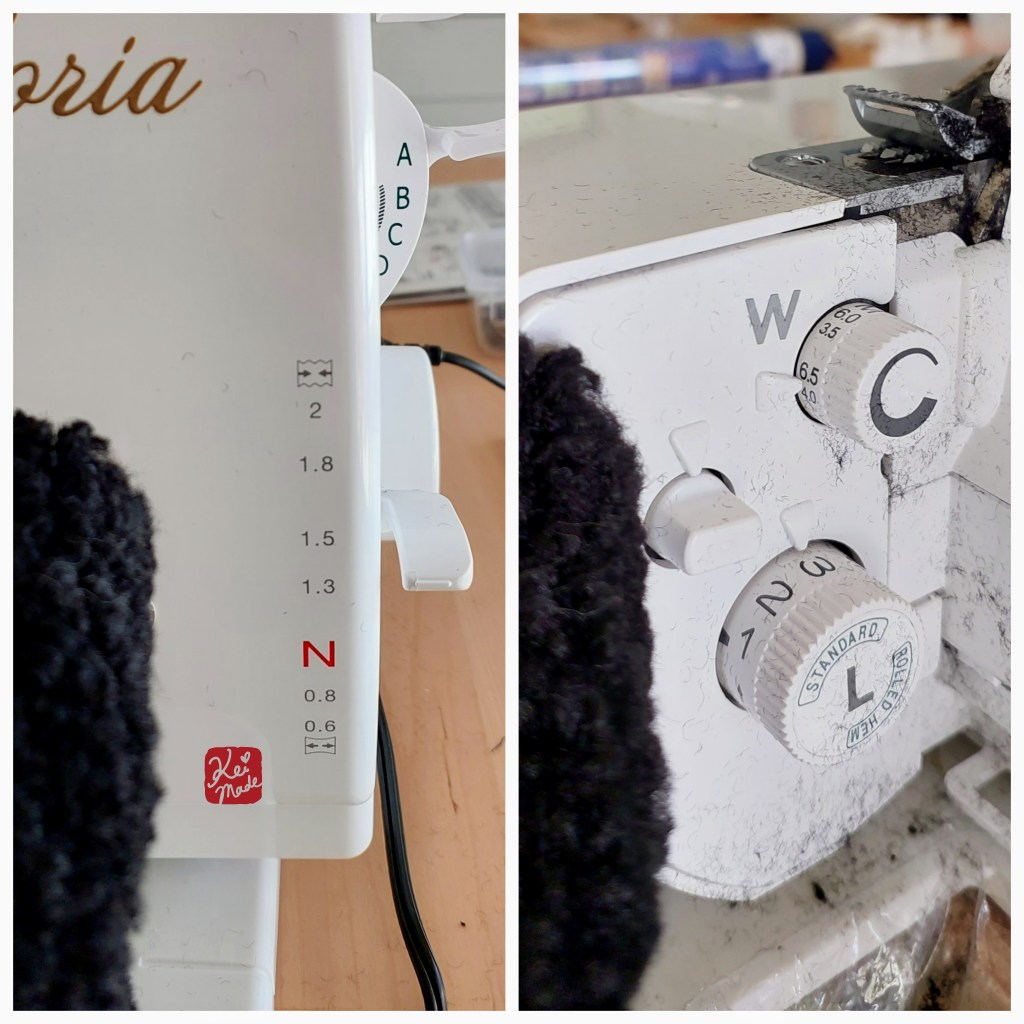
Double gauze cotton
- Length (L) 2.75
- Width (W) 6.5
- Differential feed (N) 1.3-1.5
- It can be a little tricky as double gauze likes to stretch or de-waffle.
Fabric: Sage colour from Spotlight
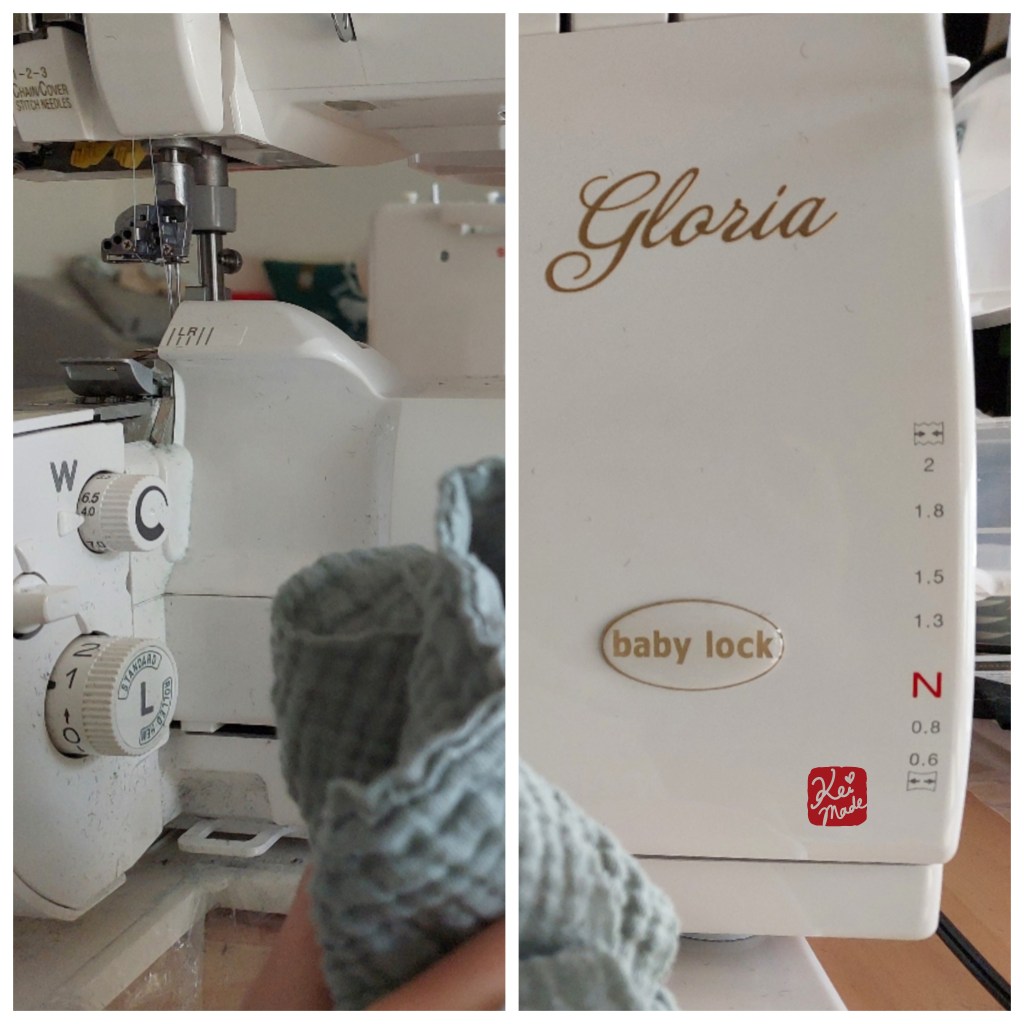
Flanelette cotton
- Length (L) 3
- Width (W) 6.5
- Differential feed (N) N
- Tension dial Max + to get the loopers close to the edge.
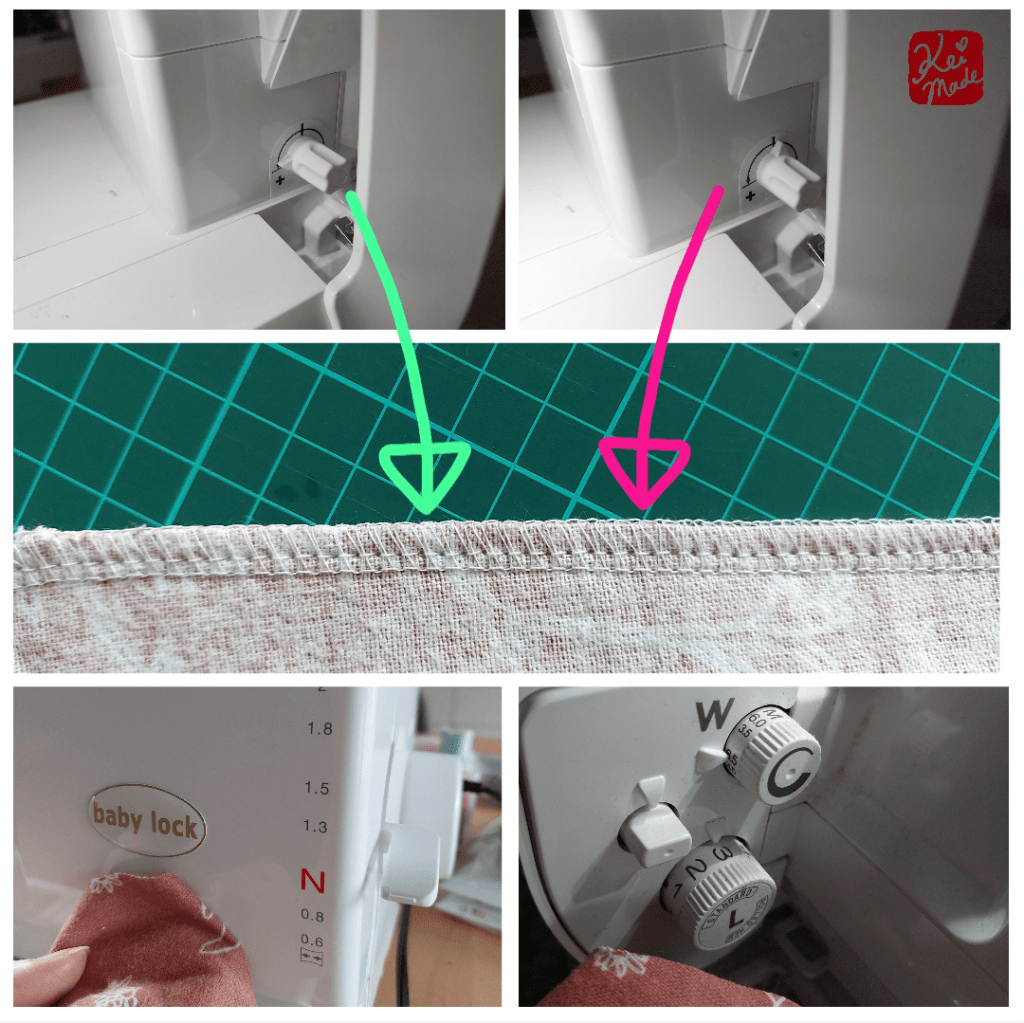
Viscose slub
- Length (L) 2.75
- Width (W) 7
- Differential feed (N) N
- Tension dial Max + to get the loopers close to the edge.
Fabric: Dust colour from Spotlight

Synthetic kimono
- Length (L) 3
- Width (W) 7
- Differential feed (N) N
- Tension dial Max + to get the loopers close to the edge.

Stretch knit lining
- Length (L) 2.5
- Width (W) 6.5
- Differential feed (N) N
- Tension dial Mid+

Tulle embroidered
- Length (L) 2.5
- Width (W) 6.5
- Differential feed (N) N
- Tension dial Max+
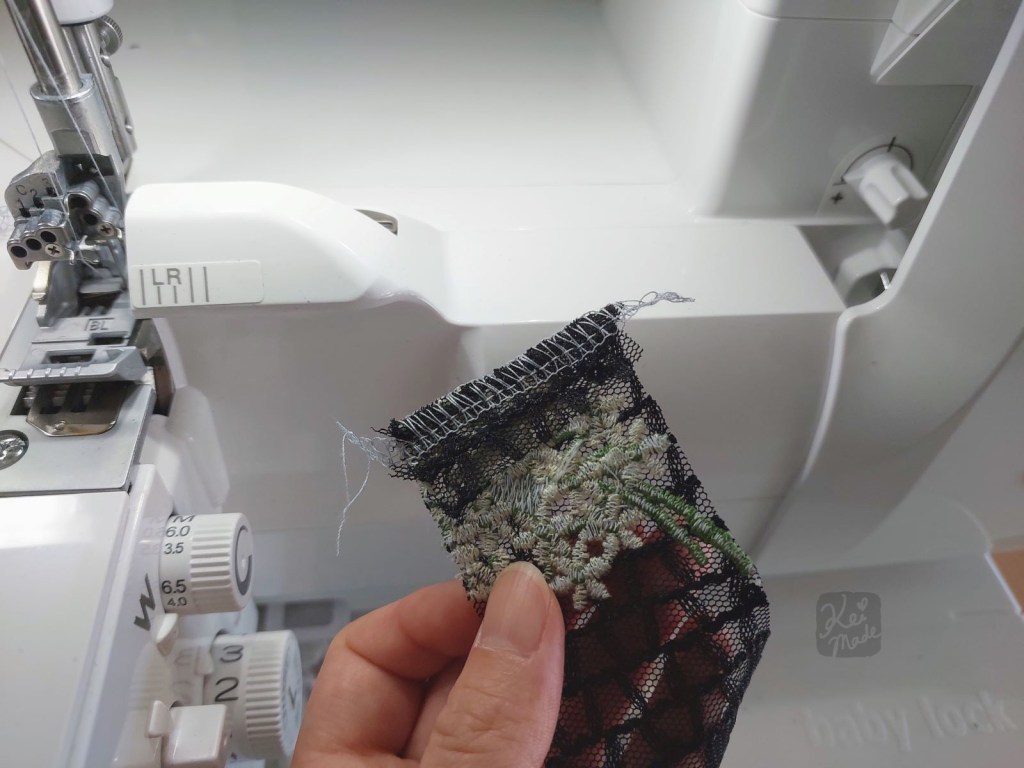
Poplin
- Width (W): 7
- Length (L) : 3
- Differential feed: N
- Tension dial: Slightly +

Ribbed cotton
- Width (W): 7
- Length (L) : 3
- Differential feed: 1.3
- Tension dial: 1/3 +

Thin cotton lycra
- Width (W) :7
- Length (L): 3.5
- Differential feed: 1.3
- Tension dial: 1/3 +

Cotton Poly Sports Knit
- Width (W) :7
- Length (L):2.75
- Differential feed:1.3 (1.8 when ribbing)
- Tension dial: +1/4
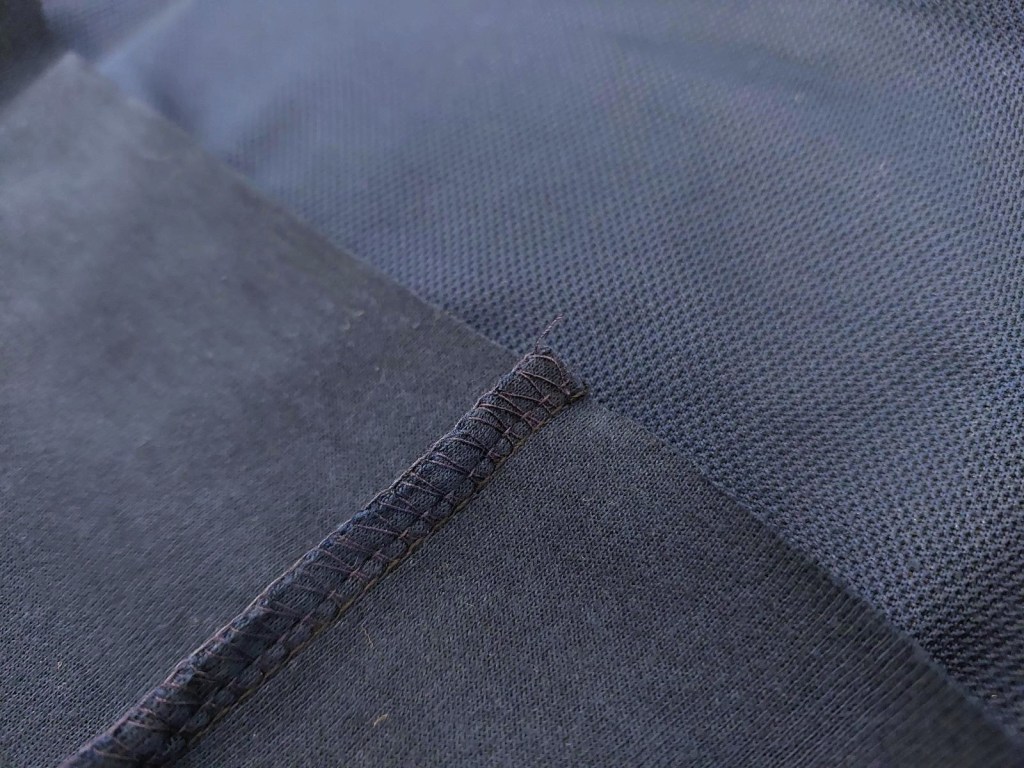
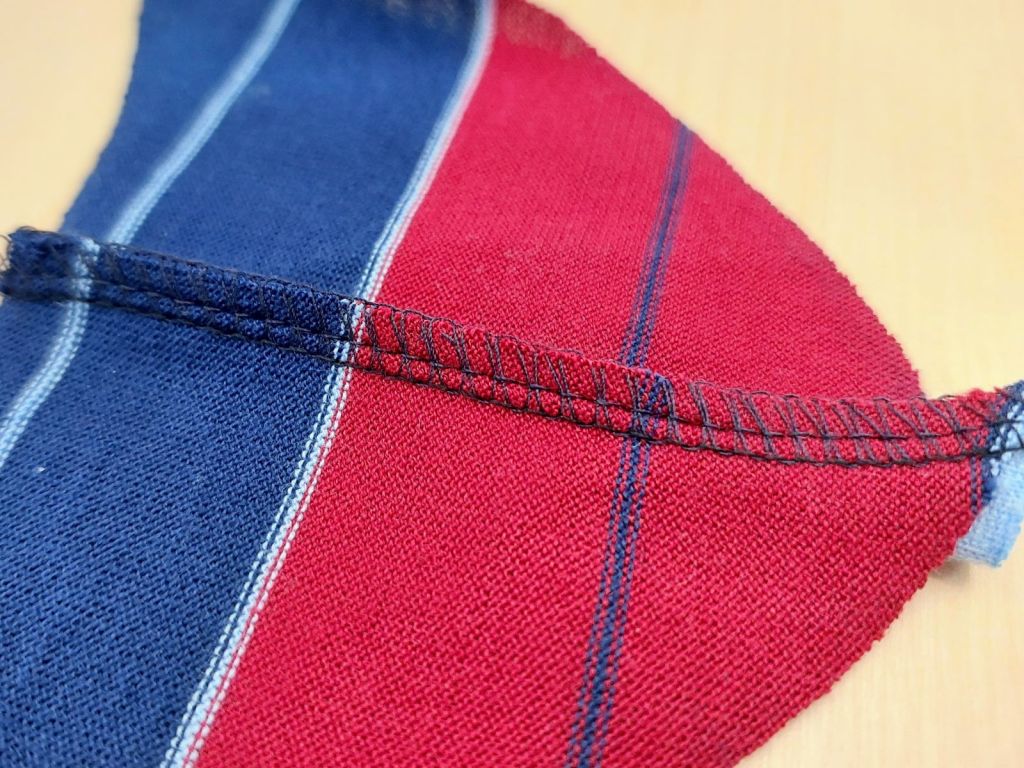
Medium-weight knit
- Width (W) :7
- Length (L):2.75
- Differential feed:1.3 (1.8 when ribbing)
- Tension dial: +1/4
Cover-stitch settings
Medium-weight knit (cover stitch)
- Differential feed: N
- Length (L): 2.75
- Chain looper tension (CLt): 0
- Chain needle tension (CNt): 6
C1 Chain Stitch:
N=1, L=2.5, CLt=3, CNt=6

Polar fleece (cover stitch)
- Length (L) 3
- Chain needle tension (CNt) 6
- Chain looper tension (CLt) 0

Synthetic kimono (cover stitch)
- Length (L) 3
- Chain needle tension (CNt) 6
- Chain looper tension (CLt) 0
Thin cotton lycra (cover stitch)
- Length (L) 3
- Chain needle tension (CNt) 4
- Chain looper tension (CLt) 3
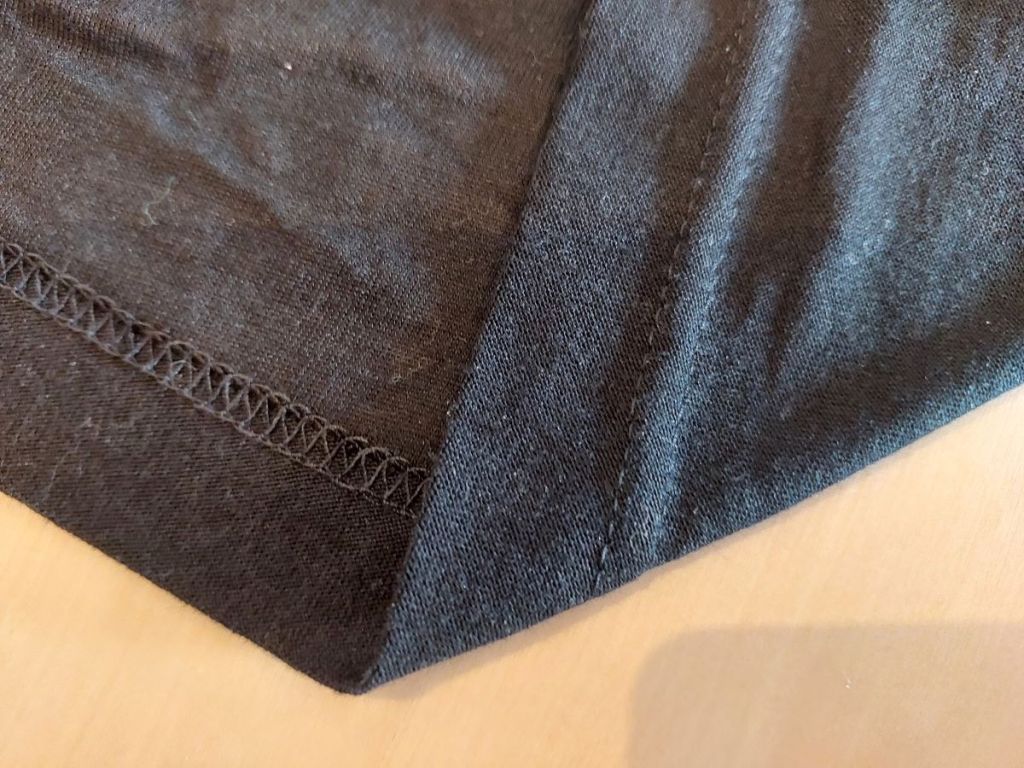
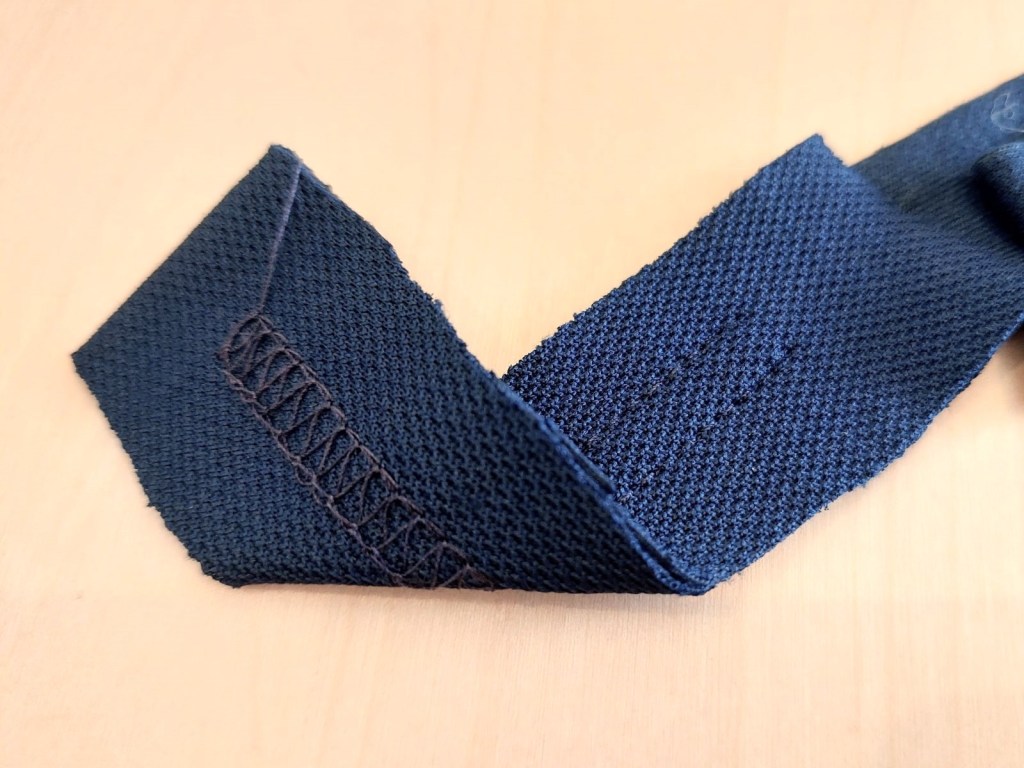
Cotton Poly Sports Knit (cover stitch)
- Differntial feed: N
- Length (L): 3
- Chain looper tension: 0
- Chain needle tension (CNt): 6
C1 Chain Stitch:
N=1, L=2.5, CLt=3, CNt=6
I’ll be adding more as I sew more 🙂
Are there any fabric settings that you’d like to share?



Leave a Reply