


Here’s how I used my BabyLock Gloria/Triumph overlocker and cover-stitcher sewing machine to sew a basic t-shirt – including the pattern, serger & cover-stich settings, and steps followed with attention to the differential feed.

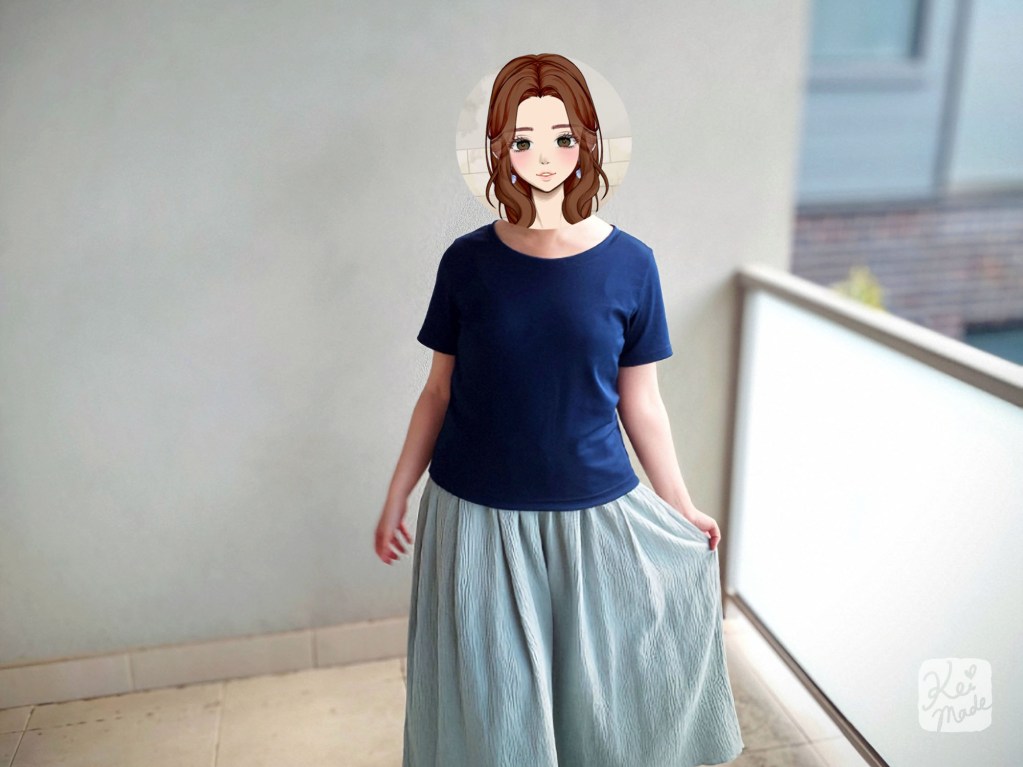
Pattern
I’m usually a size AU8, and I used the L size sewing pattern by BabyLock Japan – with slight changes. (I needed to print the pattern out enlarged at 103% to get it close to actual size.)
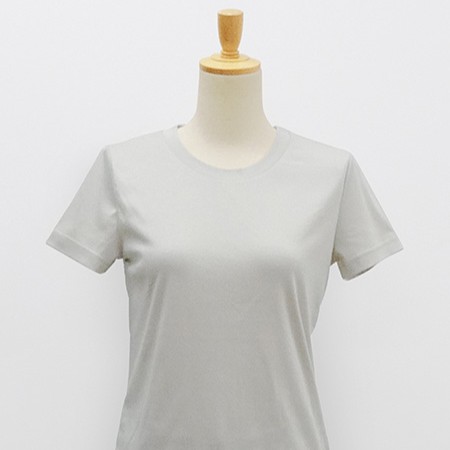
Changes I made were:
- Neckline dimensions of my altered dolman t-shirt was used so it’s a looser round-neck instead of a crew-neck.
- Collar ribbing was cut to 5cm-wide x 90% of collar neckline circumference + 2cm.
- Sleeve dimensions were increased so the longest part was 22cm and width 34cm.
- Overall length was shortened by 2cm.
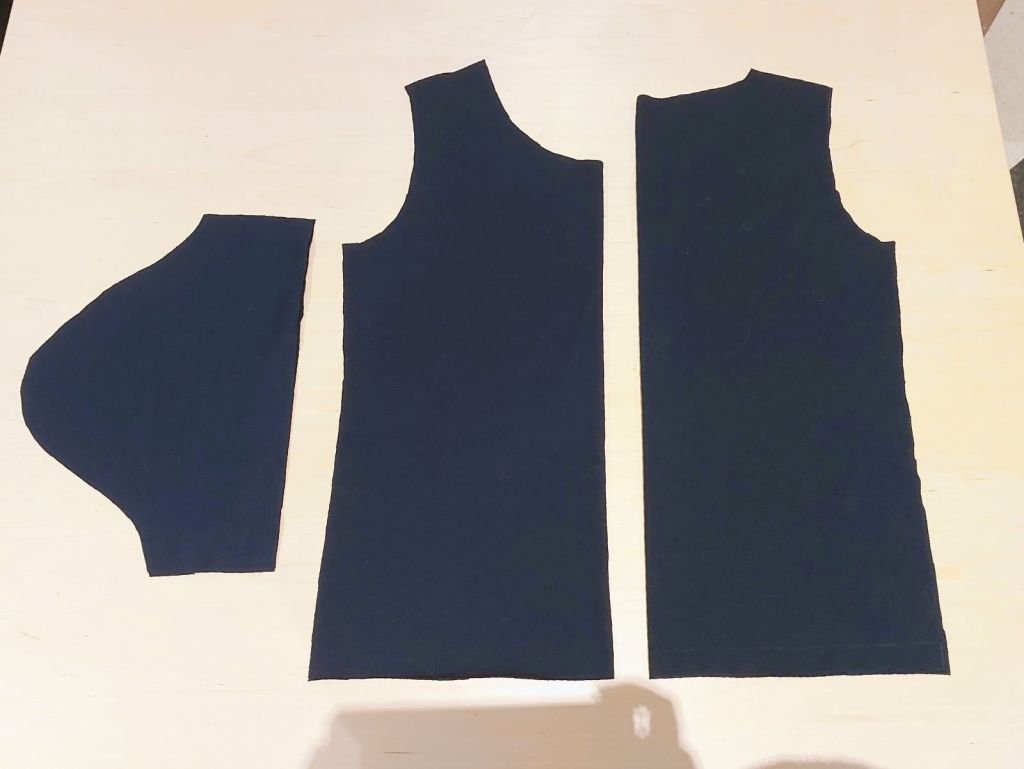
About 65cm of fabric (150cm wide) was used to make this t-shirt.
Overlock & Cover Stitch settings
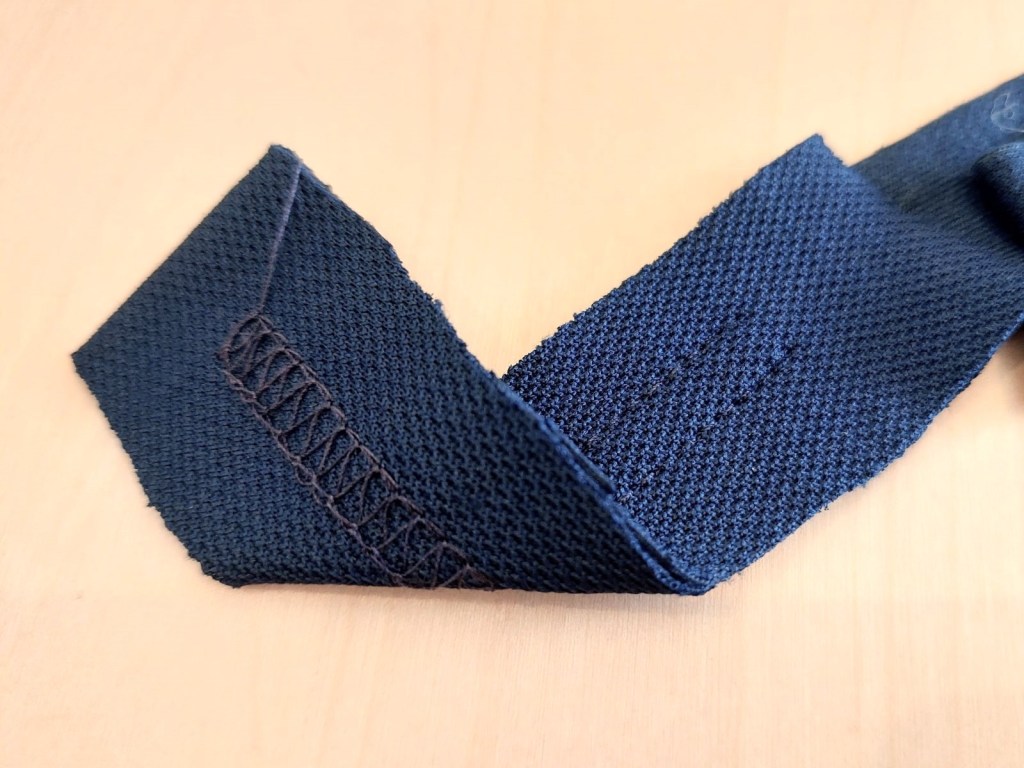
I used a cotton-backed poly knit pique sports fabric, and made the polyester side the outer side. After some quick experiments, the stitch settings used were:
Cotton Poly Sports Knit (overlocker settings):
- Length: 7
- Width: 3
- Differential feed: 1.3 (1.8 when ribbing)
- Tension dial: +1/4
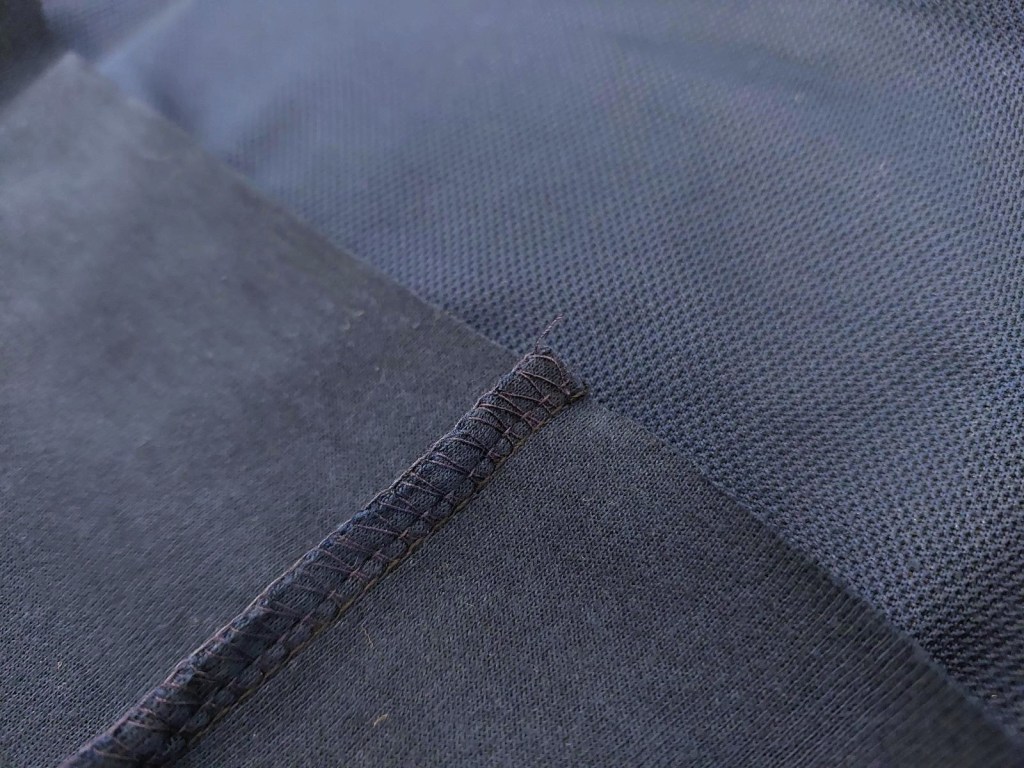
Cotton Poly Sports Knit (cover-stitch settings):
- Differntial feed (Diff): N
- Length (L): 3
- Chain looper tension (CLt): 0
- Chain needle tension (CNt): 6
C1 Chain Stitch settings:
Diff=N, L=2.5, CLt=3, CNt=6
Sewing steps
I referenced one of Babylock Japan’s guides on changing differential feeds while sewing a t-shirt.
The sleeve ends were folded over by 2cm and ironed.
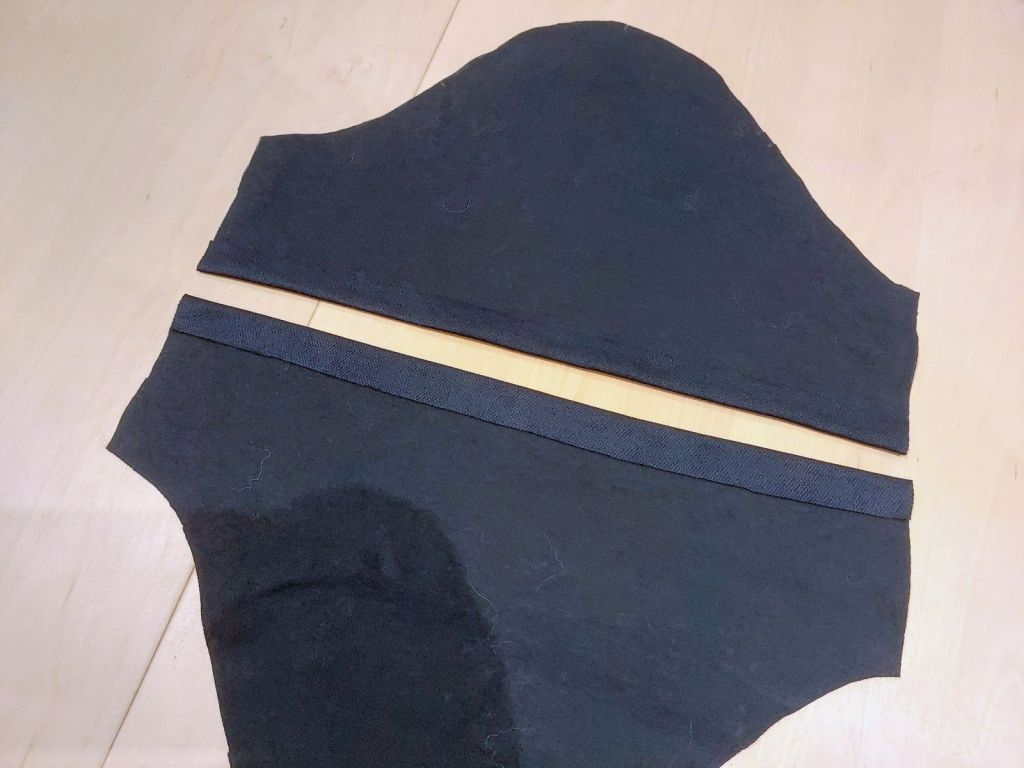
Medium-weight interfacing fabric (cut to 1.2cm wide) was ironed on along shoulder lines.
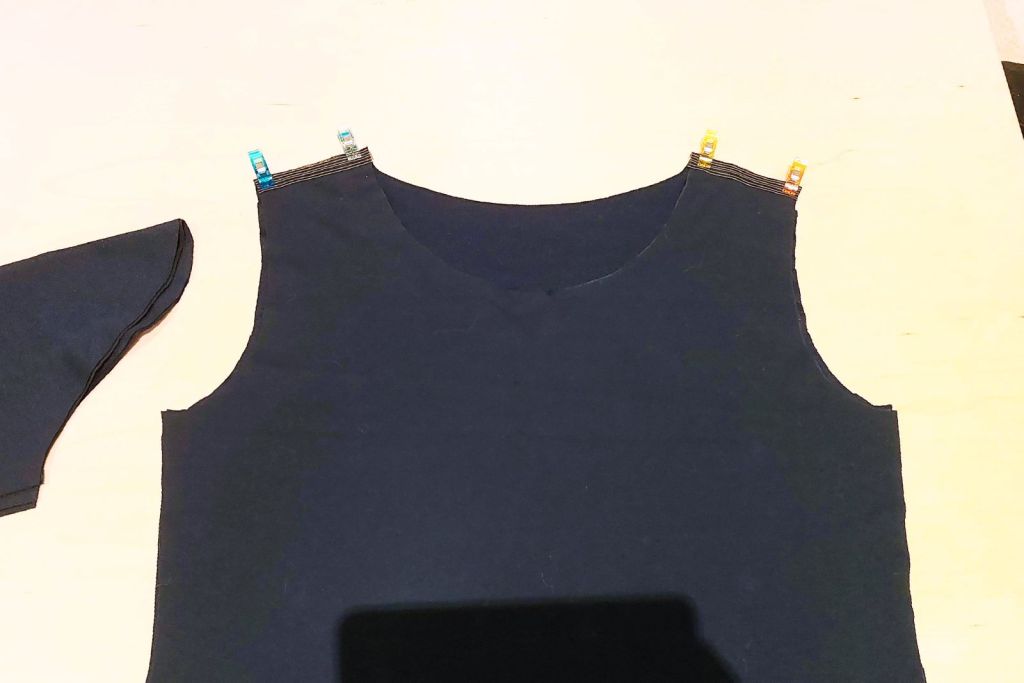
The shoulder lines were serged together (along the clips) with differential feed of 1.3.
The sleeves were serged onto the bodice, sleeves on top.
Differential feed of 1.3 was used outside the notches towards the armpits. Differential feed of 1.5 was used between the notches towards the shoulder.
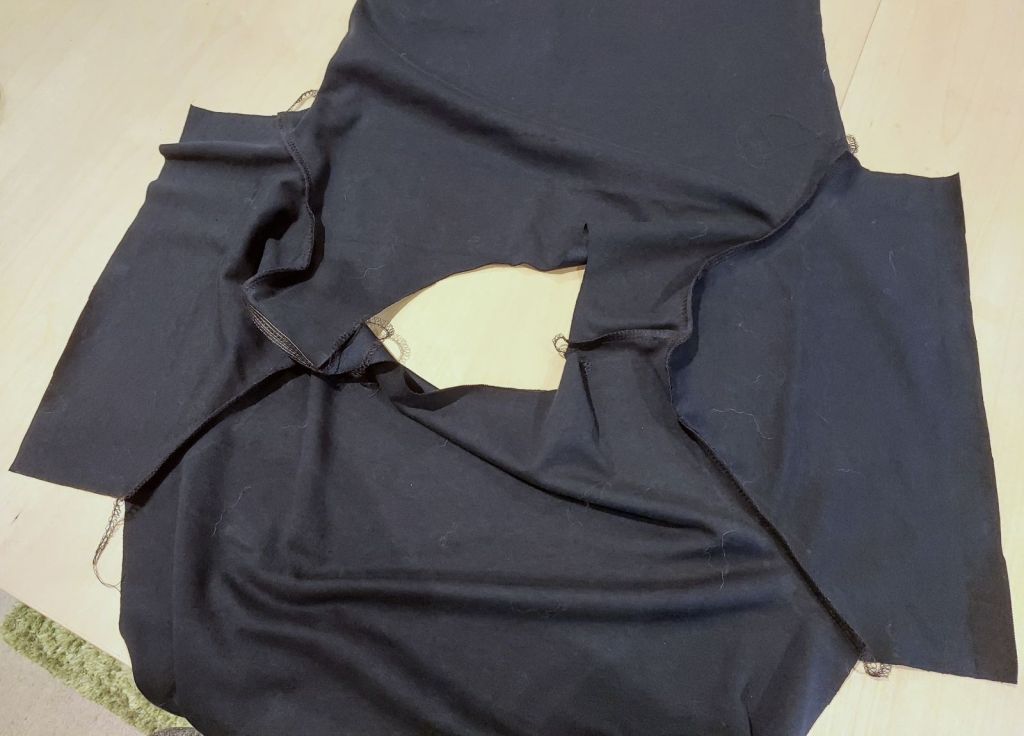
Armpits were aligned, seams facing away from each other.
Differential feed of 1.3 was used to serge down the sides together.

The neckline circumference was measured. Collar ribbing was cut to measure 90% of the circumference +2cm by 5cm wide.
Once serged into a loop, differential feed of 1.8 was used to serge the collar ribbing onto the neckline, (ribbing fabric on top) while pulling on it to match the lengths.
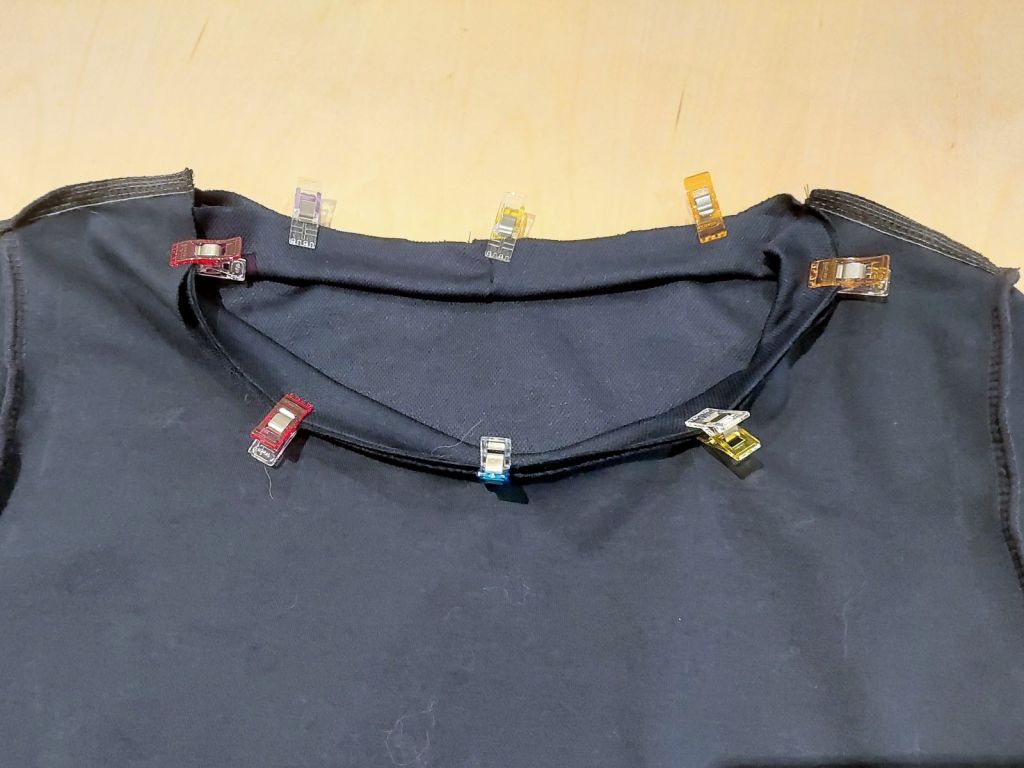
A chain stitch was applied around the neckline as a top stitch.
Sleeves were cover-stitched at 2cm (ironed earlier), inside out.
The hem was cover-stitched at 2.5cm.
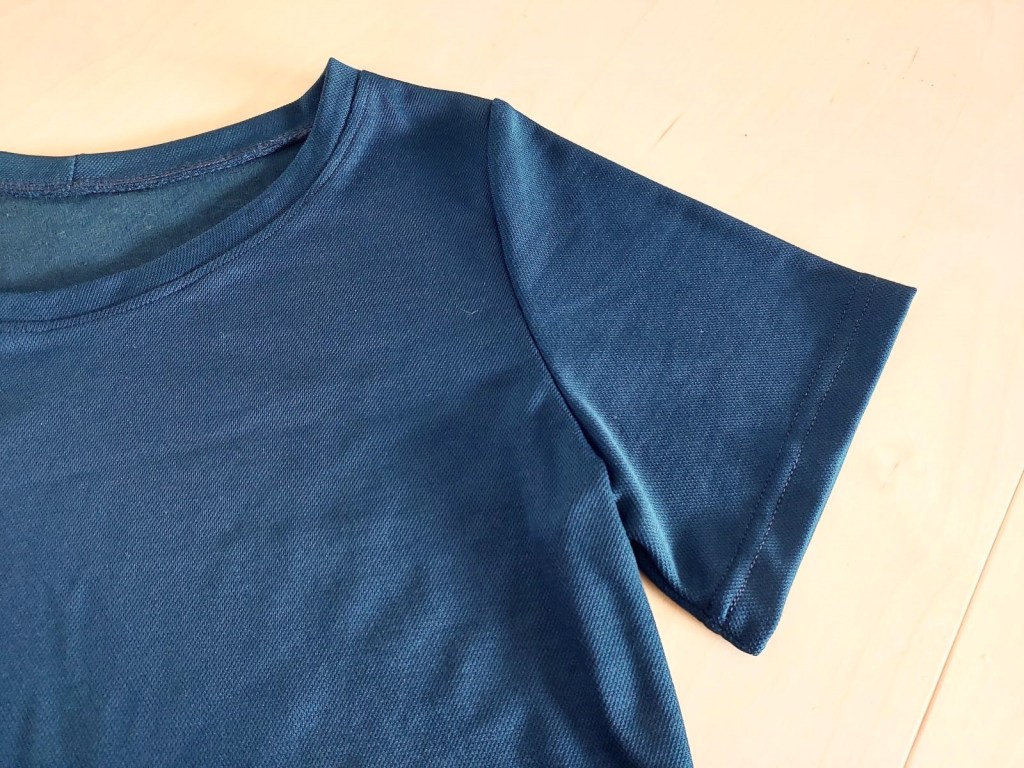

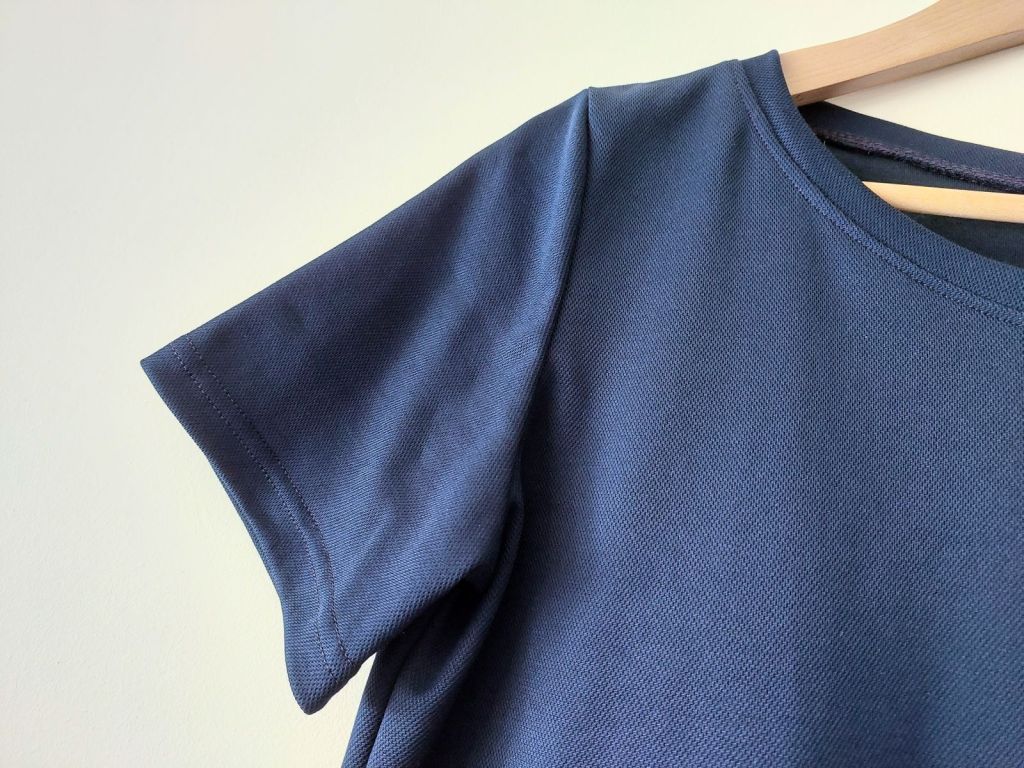
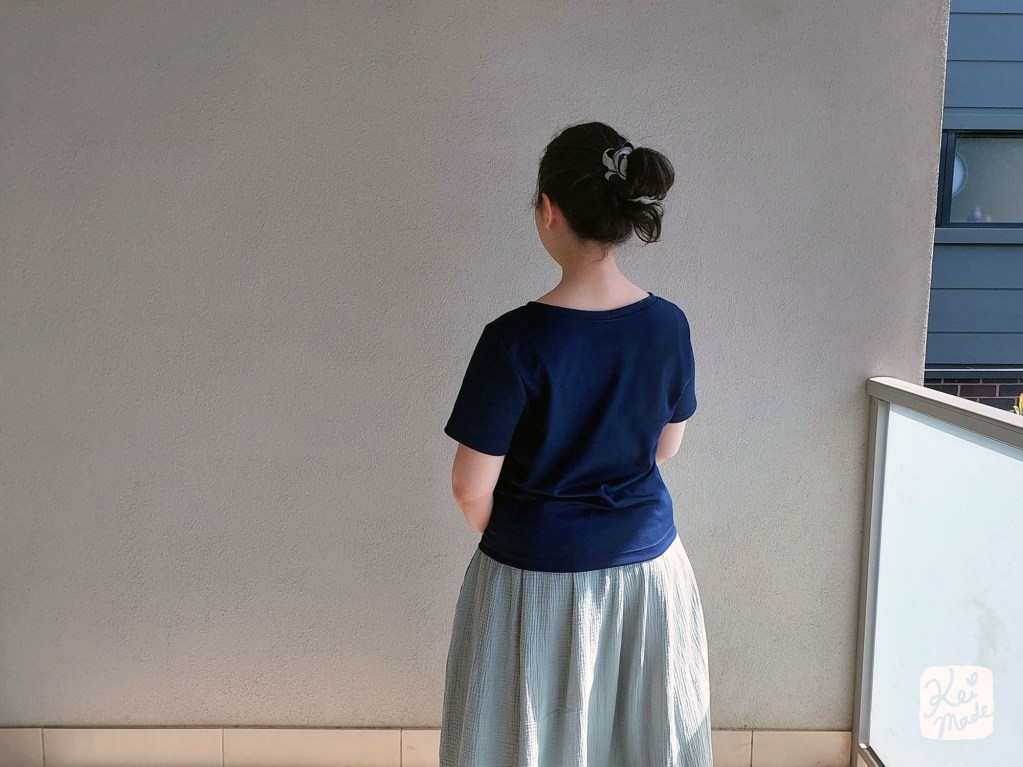
Complete!





Leave a Reply