


Japan is one of those rare destinations where everything just… works. Trains glide in on time, streets stay spotless without a single public bin in sight, and your belongings will stay right where you left it. It’s magical — but it’s also built on a foundation of etiquette that isn’t always obvious to visitors.
A handful of small habits will help you blend in beautifully and avoid the classic “tourist mistakes” that make locals cringe. This guide walks you through the unwritten rules that’ll make your trip smoother, more respectful, and far more enjoyable.

This is a short version of guest writer Stu’s post: Japan Etiquette 101.
🌸 Learn a few Japanese phrases (It goes further than you think)
You don’t need perfect pronunciation. You don’t even need full sentences. But a few simple phrases show respect and instantly soften interactions.
Try these:
- Kon-nichi-wa — hello
- Sumi-ma-sen — excuse me / sorry
- Ari-ga-tou — thank you
- Do-zo — after you
Japanese people don’t expect foreigners to speak the language, so even a tiny effort earns big appreciation.
🚆 Trains — Japan’s silent, efficient, unspoken social contract
Japan’s train system is a masterpiece — fast, clean, and astonishingly punctual. But it’s also a place where etiquette is taken seriously.
Here’s what matters:
- Queue in the marked lines when waiting for trains. They’re not suggestions.
- Don’t talk loudly. Whisper-level is normal.
- Phones stay on silent. No calls.
- Line up for the escalators too, and don’t walk up/down them.
And yes, the last train of the night is exactly as chaotic as you’ve heard. Avoid it if you can.
Pro tip: Get an IC card (Suica, Pasmo, ICOCA). It’s your all-in-one pass for trains, vending machines, convenience stores — everything.
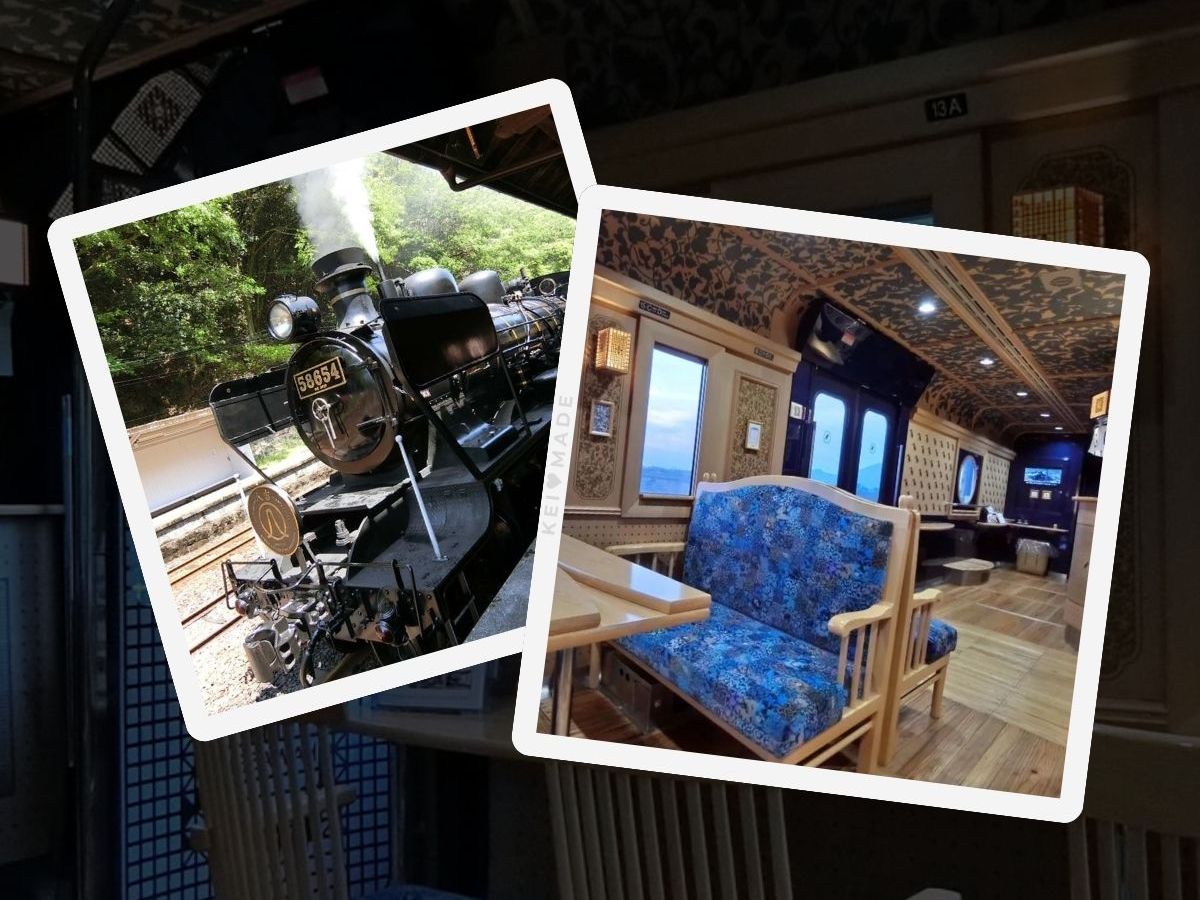
Japan also has unique trains. Check out:
🛍️ Shopping — Politeness is part of the experience
Shopping in Japan is almost ceremonial. Staff are attentive, polite, and deeply committed to good service. After a purchase, department store staff may escort you to the door and bow until you’re out of sight.
Remember to:
- Place your money or card on the register tray, not directly in someone’s hand.
- If using the fitting room, remove your shoes and wear a mesh face cover to protect garments.
- Avoid taking photos inside shops, unless they have a “📷OK” sign.
- Haggling is reserved for flea markets.
Tip: Cards are widely accepted these days, but small shops may still be cash‑only. You can withdraw yen with a foreign debit card at 7‑Eleven ATMs with very little fee.
👟 Shoes — Follow the clean‑floor code
Japan’s shoe etiquette is famously strict, but easy once you know the reason: it’s all about not bringing dirt into clean areas.
- Tatami mats? Shoes off.
- Fitting room? Shoes off.
- Spot a shoe locker? Shoes off.
- Someone’s home? Definitely shoes off.
And remember to put your shoes back on where you should — clean spaces and dirty socks don’t mix.
Pro tip: Elastic laces make life easier. You’ll be slipping shoes on and off constantly.
🍜 Eating out — Easy norms to keep in mind
Dining in Japan is usually relaxed, but a few things to note:
- Don’t stick your chopstick upright in rice, or pass food chopstick-to-chopstick.
- Traditional eateries and pubs may require you to take your shoes off.
- At coffee shops, you usually need to find a seat before ordering. (Belongings on a table — even a phone or a lip balm — mean that table is reserved.)
- At food courts and cafes, return your tray before you leave.
- Never tip — they’ll chase you down to return it.
But do slurp your noodles. It’s not rude — it’s enthusiasm.
🚻 Toilets — High-tech luxury meets occasional chaos
Japan’s toilets range from futuristic bidet thrones to rural squat toilets with zero supplies.
- Go for the nice shopping‑centre toilets where you can.
- Don’t get too used to the auto‑flush — the old ones still exist.
- If you’re outside a major city, carry tissues with you.
And never flush anything except the provided toilet paper. Japanese plumbing is sensitive, and you don’t want that conversation.
🚶♂️ Public Behaviour — The art of not being a nuisance
Japan works because everyone quietly agrees to not inconvenience each other.
So avoid:
- Eating while walking
- Using selfie sticks
- Loud conversations
- Smoking outside designated areas
- Drinking in public (except under cherry blossoms — then it’s practically a national sport)
Warning: Bins are rare in Japan. Take rubbish back to your hotel, or to where you bought the item.
🙇 Bowing — Relax, a small nod is enough
Bowing is woven into daily life, but no one expects visitors to master it.
A small nod is perfectly acceptable. Staff will bow deeper than you — don’t try to match them.
If you ever witness a new-car delivery ceremony, enjoy it. It’s bowing on a whole different level.
🛗 Elevators — The door will close on you
Japanese elevators don’t wait for you. Get used to usimg the “Open” button ― don’t rely on door sensors to keep them open.
People will often hold it for you. Return the favour — it’s a small kindness that goes a long way.
Tip: In a busy shopping centre, the escalator is far quicker than the elevator; even if you’re going up a dozen floors.
♨️ Onsens — Magical, relaxing, with a few rules
Onsens (hot springs) are one of Japan’s greatest pleasures — but there are rules to follow:
- No swimwear
- No towels in the water
- Wash thoroughly before entering
- Tattoos may require a private onsen
If you’re shy, book a private bath. It’s worth it.
Check out:

🚗 Driving — Follow the rules, even if locals don’t
Driving in Japan is calm and orderly, but locals may nudge the speed limit on highways. As a visitor, stick to the exact number — police may stop you, very politely.
Japan’s stop sign is also worth knowing: 止まれ (“stop”) is often painted right on the road.
But because public transport is so extensive, you may find you don’t need to drive at all.
🛂 Safety & Law — Japan is safe because rules matter
Japan is incredibly safe, and a big part of that comes from a culture that takes rules seriously.
Keep in mind there’s zero tolerance for drugs, and if you’re bringing more than one month of prescription medication, you’ll need a Yunyu Kakunin‑sho certificate.
It’s also best to steer clear of confrontations. Even if you feel you’re in the right, authorities will usually support the local perspective.
The good news? Petty theft is rare. It’s not unusual to find your phone exactly where you left it, even hours later — and if not, it’s usually waiting for you in lost‑and‑found.
🎌 Final Thoughts: Japan isn’t difficult — It’s just different
Japan isn’t a country full of rigid rules. It’s a country full of consideration — small, thoughtful behaviours that make life smoother for everyone.
If you approach your trip with curiosity, respect, and a willingness to adapt, you’ll fit right in. And you’ll discover why so many travellers fall in love with Japan not just for its beauty, but for its kindness.
Read the original full post here:

Japan Etiquette 101
Japan is a fascinating and safe travel destination, but visitors should respect its unique customs. Being mindful of cultural etiquette will enhance your experience and help you avoid misunderstandings.






Leave a Reply